








Yes, absolutely. A hair transplant is a highly effective and increasingly popular solution for women experiencing certain types of hair loss. Performed by a skilled surgeon, it can restore hair density, create a more youthful hairline, and significantly boost confidence.
While the procedure is common for men, it’s a fantastic option for many women as well. However, female hair loss patterns can be different from men’s, so a thorough consultation is crucial to determine if you are a good candidate.
Who is a good candidate?
Hair transplants for women yield the best results in specific situations. You may be an ideal candidate if you have:
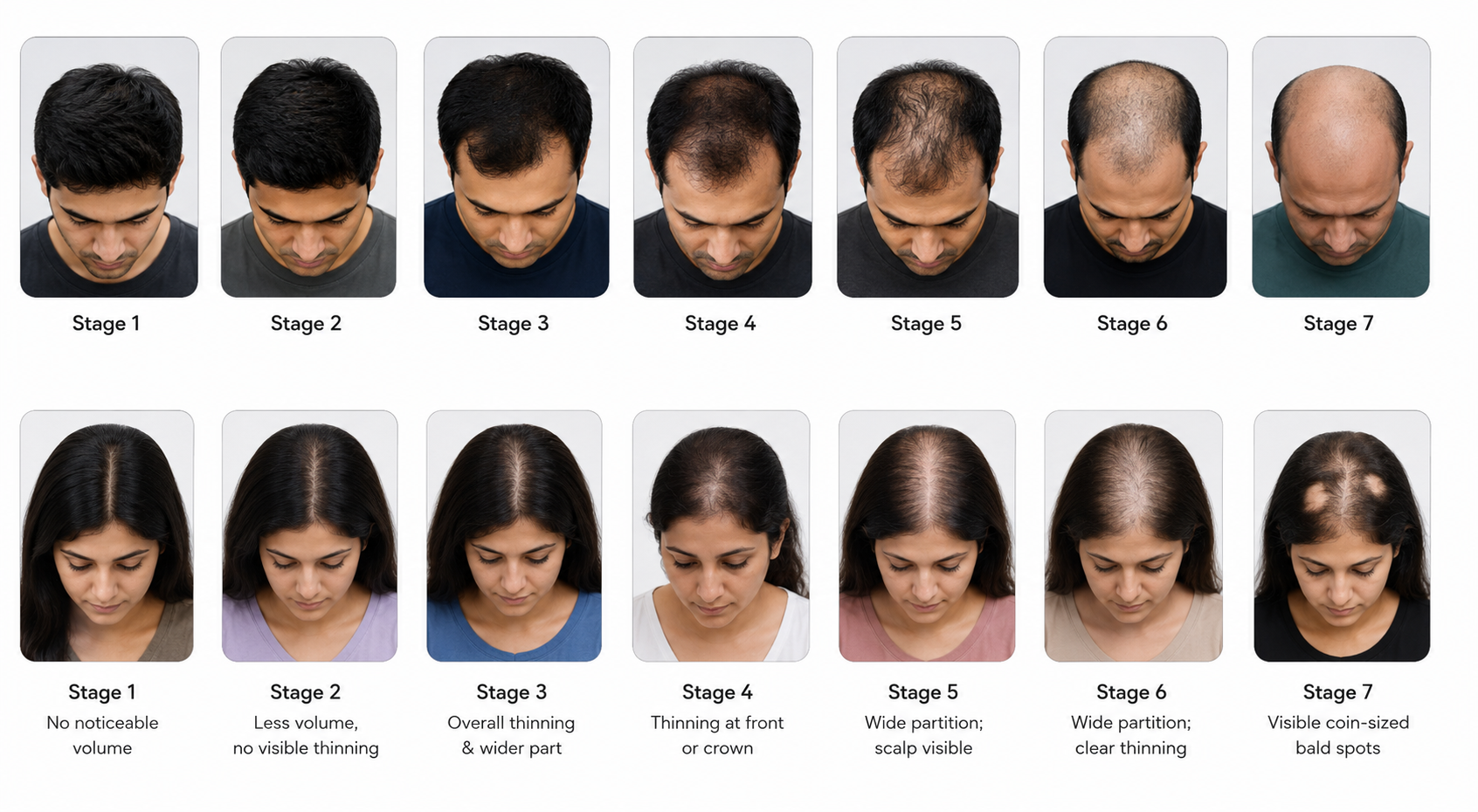
- Female Pattern Hair Loss: This common type of genetic hair loss in women often causes thinning on the top of the scalp and a widening part, while the donor area at the back of the head remains dense and healthy.
- A High Hairline: Some women are genetically predisposed to a naturally high hairline and wish to lower it for better facial framing.
- Hair Loss from Traction Alopecia: This is hair loss caused by prolonged tension on the hair follicles from tight hairstyles like braids or ponytails, and a transplant can restore hair to the affected areas.
- Hair Loss Due to Scars: A hair transplant can effectively conceal scars from injuries, burns, or previous surgeries.
How do we determine this? Speak to a counsellor today!
How is a hair transplant for women different?
The fundamental technique is the same as for men, involving the transfer of healthy, permanent hair follicles from a donor area (usually the back of the head) to the thinning or balding areas. However, there are key considerations for female patients:
- Aesthetic Focus: The goal is often to increase density behind the hairline and narrow the part, requiring an artistic eye to create a soft and natural look.
- No-Shave and Partial-Shave Options: We understand the concern about shaving the head. In many cases, we can perform the procedure by only shaving a small, easily concealable area of the donor site, or in some instances, without any shaving at all.
- Thorough Diagnosis: It’s vital to first rule out any underlying medical conditions or hormonal imbalances that could be causing the hair loss.